
Prada reshapes high fashion landscape with Versace acquisition
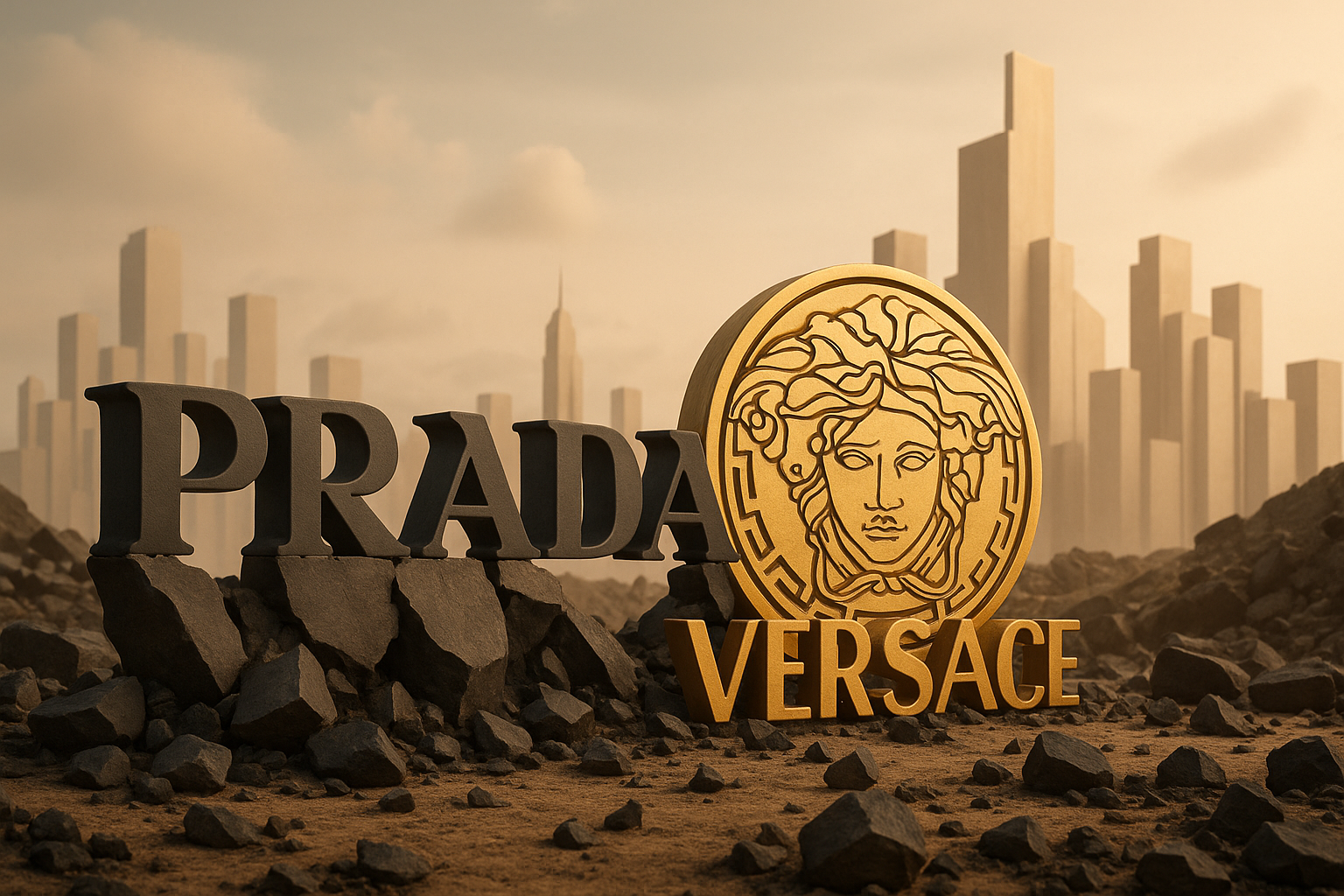
Prada has closed its long-awaited takeover of Versace, completing a deal that has been in motion for years and marking one of the most significant shifts in Italy’s luxury sector in recent times.
As per a Reuters report, the group finalised the acquisition after signing a definitive agreement in April to buy the brand from Capri Holdings for about 1.3 billion euros.
The sale came after Capri’s planned transaction with Tapestry fell apart when antitrust regulators challenged that deal in the US.
Prada moved quickly to secure the opportunity, accelerating talks once the earlier plan collapsed.
Strategy shift
The addition of Versace marks a major turning point in Prada’s long-term strategy to expand its global influence. Versace, founded in 1978 by Gianni Versace in Milan, built its reputation on a bold and glamorous aesthetic that remains instantly recognisable.
Bringing the brand into Prada’s portfolio creates a stronger mix of identities across the group, which already houses its flagship Prada label and the fast-growing Miu Miu.
The acquisition reflects how Prada is now willing to scale through targeted purchases rather than relying solely on internal growth.
Versace appealed to the group because it met two core criteria.
It was considered financially manageable, and it offered strong global awareness that could reinforce Prada’s competitive position.
The timing of the opportunity, shaped by the antitrust outcome surrounding Capri and Tapestry, helped Prada step into a transaction that had previously been tied to another buyer.
Leadership transition
A major part of the transition involves new leadership structures.
Lorenzo Bertelli, son of Miuccia Prada and Patrizio Bertelli, is set to become executive chairman of Versace after the integration is completed.
His role signals a generational shift within the group and points to Prada’s broader ambitions in aligning all three brands under a unified strategic direction.
Changes at Versace began even before the acquisition.
In March, a few weeks before Prada publicly confirmed the deal, Donatella Versace stepped down as creative chief after nearly thirty years in the position.
Her departure marked the end of an era for the label.
Following her exit, Dario Vitale, previously design director at Miu Miu, took on the creative leadership role.
His move strengthens the connection across Prada’s brands and allows the group to shape Versace’s creative direction with familiar talent.
Brand positioning
The acquisition positions Prada to compete more assertively in the global luxury market.
Versace’s strong heritage, high-impact style, and global name recognition create new openings for growth in categories where the brand has long held influence.
Prada now controls three distinct labels with different audiences, giving it a broader reach across the luxury consumer base.
Prada focuses on minimalist and architectural design, Miu Miu draws momentum from younger fashion consumers, and Versace continues to rely on its glamorous and expressive identity.
Together, they form a stronger and more diverse luxury group capable of competing more effectively with other fashion conglomerates.
Prada’s move also highlights how regulatory decisions can shape acquisition paths in the industry.
The antitrust challenge that disrupted the Capri and Tapestry plan created an opening for Prada to pursue a brand it had been interested in since the COVID period and earlier.
With the deal now complete, market attention is turning to how the group will integrate Versace and how new creative leadership will guide the brand in the coming years.
The post Prada reshapes high fashion landscape with Versace acquisition appeared first on Invezz