
Why is Rolls-Royce stock smashing records in early 2026?
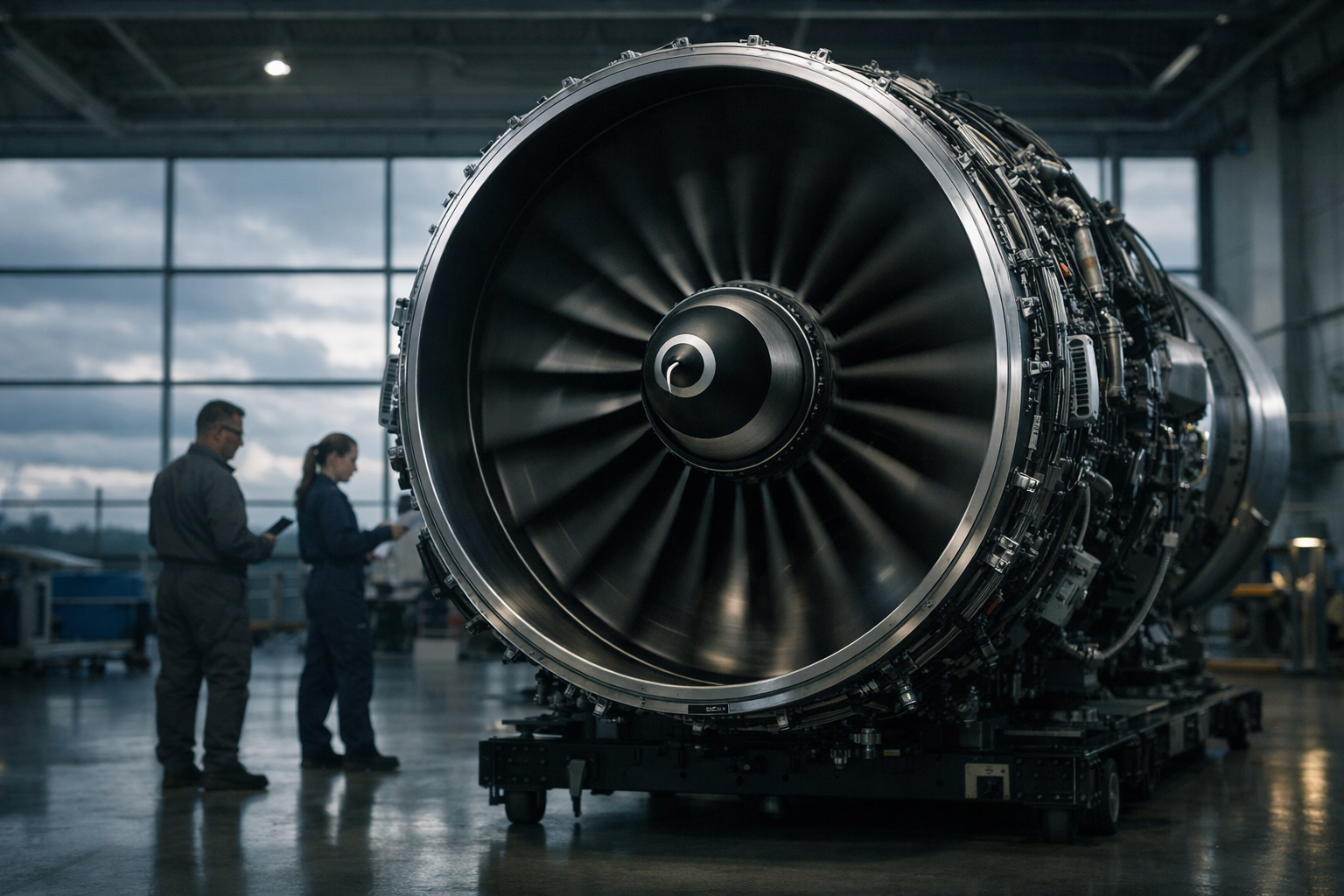
Rolls-Royce stock (LON: RR) has achieved new all-time highs on multiple trading days so far in 2026.
While the narrative captures investor excitement perfectly, the reality is more nuanced: the stock reached a fresh record on January 2nd and has since traded near or at record levels during the first week of 2026.
The engine maker’s surge, up 10% in 2026 alone on the back of a 96% rally in 2025, reflects three concrete drivers that separate genuine momentum from mere hype.
Rolls-Royce stock: Defence demand and market momentum fuel rally
The FTSE 100 broke through the psychologically important 10,000 level for the first time in early January, lifted by mining and defence gains.
Within that rally, Rolls-Royce benefited from a sectoral tailwind rarely seen in recent years.
US military operations in Venezuela in early January, coupled with President Trump’s public interest in acquiring Greenland, triggered sharp rotations into European defence stocks.
Defence companies across the FTSE 100 and FTSE 250 rose roughly 3.3% in a single week, marking the fifth consecutive day of gains for the sector.
Rolls-Royce, however, stands out because it straddles two narratives.
Its Defence division benefits directly from pledged NATO spending increases and geopolitical uncertainty.
More importantly, the Civil Aerospace division is riding a post-pandemic recovery that few investors anticipated would compound so rapidly.
Engine flying hours reached 109% of 2019 levels by October 2025, signalling that airline demand for long-haul travel, and thus engine maintenance and spare parts, remains robust.
Buybacks and balance-sheet strength
On December 16, 2025, the company announced a £200 million interim share buyback programme commencing January 2, 2026, and running through February 24.
This programme follows the successful completion of a £1 billion repurchase effort in November 2025, a meaningful signal of management confidence and technical support.
UBS AG, acting as execution agent on a non-discretionary basis, independently manages the repurchases within agreed parameters, ensuring the programme adheres to regulatory standards.
The buyback matters tactically but reveals something more important strategically: Rolls-Royce has transitioned from balance-sheet repair mode to shareholder returns.
The company carried net cash of £1.08 billion as of mid-2025, up from £0.48 billion at the end of 2024.
Free cash flow hit £1.58 billion in the first half of 2025 alone, up 36% year-on-year, driven by higher long-term service agreement inflows and improved engine flying-hour recovery.
Investors will closely watch three milestones ahead.
The full-year 2025 results, due February 26, 2026, will show whether management’s upgraded guidance: £3.1 billion to £3.2 billion in operating profit and £3.0 billion to £3.1 billion in free cash flow, proves realistic or optimistic.
Defence contract wins and order flow remain critical, particularly from NATO-aligned economies signalling higher spending.
Finally, sustained buyback volumes will indicate whether the board maintains confidence in current valuations.
The post Why is Rolls-Royce stock smashing records in early 2026? appeared first on Invezz